
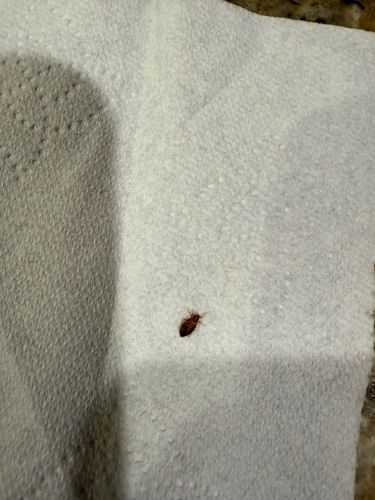
Bed Bug
Cimex lectularius
- Order & Family
- Hemiptera (order), Cimicidae (family)
- Size
- Adults are typically 4-5 mm (0.16-0.20 inches) long, similar to an apple seed. Nymphs (young bed bugs) are smaller, about 1.5-4.5 mm.
Natural Habitat
Primarily human dwellings, especially beds, mattresses, bed frames, furniture, and cracks/crevices near sleeping areas. They can also be found in luggage, public transport, and other human-occupied spaces.
Diet & Feeding
Exclusively feed on blood, primarily human blood. They are nocturnal feeders, coming out at night to bite exposed skin while people are sleeping.
Behavior Patterns
Nocturnal, hiding during the day in crevices and cracks close to their human hosts. They are attracted to carbon dioxide and body heat. Bed bugs go through five nymphal stages before reaching adulthood, requiring a blood meal at each stage. They can survive for several months without feeding.
Risks & Benefits
Potential risks include itchy red welts from bites, allergic reactions, and secondary skin infections from scratching. They are not known to transmit diseases to humans. There are no known benefits to humans or the ecosystem.