
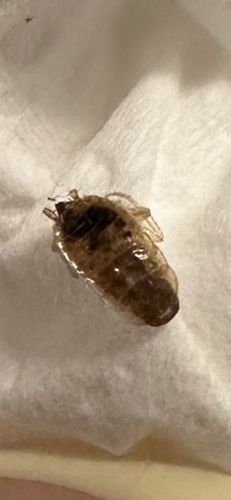
Woodlouse (or Pill Bug/Sow Bug)
Various species within Isopoda, for example Armadillidium vulgare (Common Pill Bug) or Porcellionides pruinosus (Rough Woodlouse, likely due to elongated appearance)
- Order & Family
- Order Isopoda, Family Porcellionidae (for sow bugs) or Armadillidiidae (for pill bugs)
- Size
- Typically 6 to 20 mm (0.24 to 0.79 inches) in length.
Natural Habitat
Damp, dark places such as under rocks, logs, leaf litter, decaying wood, compost heaps, and sometimes in basements or bathrooms. They require moisture to survive as they breathe through gills.
Diet & Feeding
Detritivores, feeding mainly on decaying plant matter, fungi, and sometimes young plants or soft fruits. They play a vital role in decomposition.
Behavior Patterns
Woodlice are primarily nocturnal and prefer dark, damp environments. They are known for their ability to roll into a ball (conglobation) when threatened, which protects their softer underbelly. They undergo several molts as they grow.
Risks & Benefits
Generally harmless to humans and are not pests in the traditional sense. They do not bite, sting, or transmit diseases. In gardens, they can be beneficial as decomposers, breaking down organic matter and returning nutrients to the soil. However, in large numbers, they can occasionally damage young seedlings or soft fruits, especially during dry spells when other food sources are scarce. They are considered an indicator of high moisture levels indoors.