
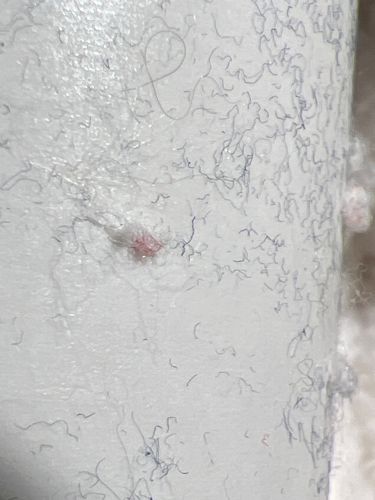
Clover Mite
Bryobia praetiosa
- Order & Family
- Trombidiformes, Tetranychidae (Mites, Spider Mites)
- Size
- Approximately 0.75-0.85 mm (about 1/32 inch) long.
Natural Habitat
Outdoors, they live in turfgrass, clover, and other herbaceous plants. Indoors, they may migrate into homes, often gathering near windows, especially on sunny sides of buildings. They prefer cool, moist conditions.
Diet & Feeding
Plant feeders, specifically feeding on the sap of clover, turfgrasses (like bentgrass, Kentucky bluegrass, fescues, perennial rye), and various other herbaceous plants and weeds.
Behavior Patterns
Clover mites are known for migrating into homes, especially during temperature changes (e.g., late fall, early spring, or hot, dry periods). They do not infest food or fabrics, nor do they bite humans or pets. When crushed, they leave a reddish-brown stain due to their pigmented bodies, which can be mistaken for blood.
Risks & Benefits
Potential risks include being a nuisance pest when they invade homes in large numbers, and their crushed bodies can leave stains on light-colored surfaces like walls, curtains, or carpets. They do not pose risks to human health or structure of the home. There are no significant benefits associated with clover mites in urban or residential environments.