
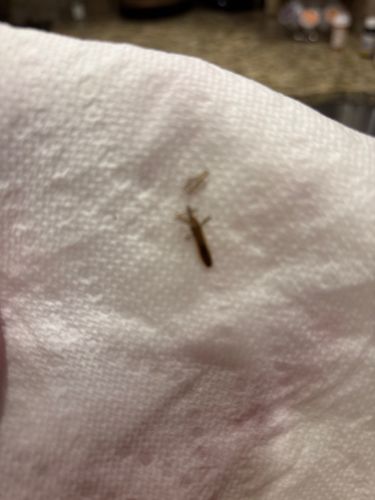
Thrips
Thysanoptera (Order)
- Order & Family
- Order: Thysanoptera, Family: Varies (e.g., Thripidae, Phlaeothripidae)
- Size
- Typically 0.5 to 5 mm in length.
Natural Habitat
Widely distributed globally, found on a variety of plants, flowers, fruits, and fungi. Many are agricultural pests found in greenhouses, fields, and gardens. Some species are found in leaf litter or under bark.
Diet & Feeding
Mostly plant sap, pollen, and spores. Some species are predatory on other small arthropods or fungal feeders.
Behavior Patterns
Thrips are active insects, feeding by puncturing plant cells and sucking up the contents. Many species reproduce parthenogenetically (without fertilization). They move quickly when disturbed and can jump or fly, though their flight is often described as weak and undirected. Their life cycle typically involves egg, two larval instars, two or more pupal stages (prepupa and pupa), and adult.
Risks & Benefits
Risks: Many species are significant agricultural and horticultural pests, causing damage to crops by feeding (leading to silvering, distortion, or scarring of plant tissues) and transmitting plant viruses. Benefits: Some thrips species are beneficial as pollinators or as biological control agents, preying on pest mites and other small insects.