
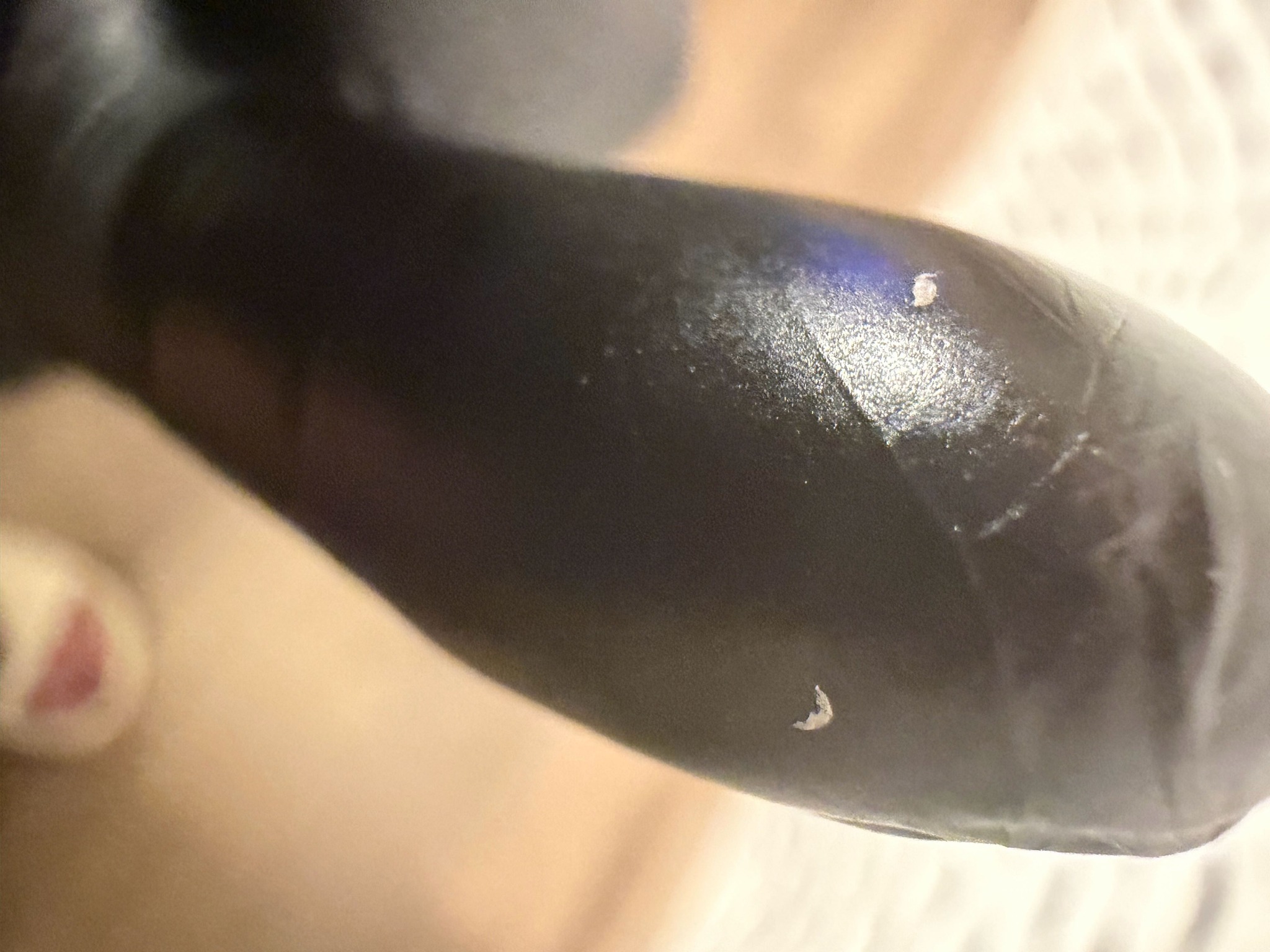
Community identification
Body louse egg (nit) or Pubic louse egg (nit)
Pediculus humanus humanus or Pthirus pubis
- Order & Family
- Order: Psocodea, Family: Pediculidae or Pthiridae
- Size
- Approximately 0.5 mm to 0.8 mm in length
Natural Habitat
Human body hair or clothing fibers in close contact with human skin.
Diet & Feeding
Lice are obligate parasites that feed on human blood using piercing-sucking mouthparts.
Behavior Patterns
The eggs (nits) are oval-shaped and glued firmly to hair shafts or clothing fibers. They typically hatch in 6 to 9 days.
Risks & Benefits
Risks include intense itching (pruritus) and skin irritation from allergic reactions to saliva. Body lice can transmit serious diseases like typhus, trench fever, and epidemic relapsing fever. There are no known benefits.