
Community identification
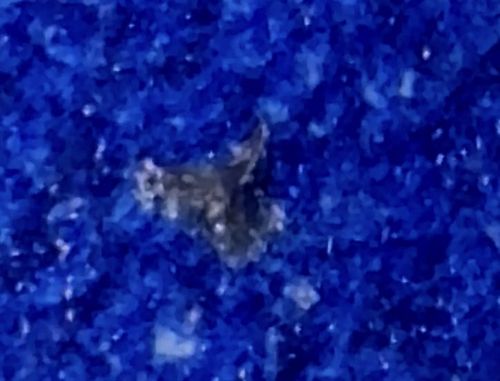
Masked Hunter Nymph (Dust Bug)
Reduvius personatus
- Order & Family
- Hemiptera (True Bugs), Reduviidae (Assassin Bugs)
- Size
- Nymphs: Vary as they grow, generally 4-12 mm; Adults: 17-22 mm
Natural Habitat
Typically found indoors in dusty areas like corners, basements, and attics, as well as outdoors in crevices and under bark.
Diet & Feeding
Carnivorous predator feeding on small arthropods like bed bugs, earwigs, carpet beetles, sowbugs, and flies.
Behavior Patterns
Nymphs are known for their unique camouflage behavior of covering themselves in dust, lint, sand, and debris to blend into their surroundings. They are stealthy active hunters rather than web-builders.
Risks & Benefits
Benefits: Generally beneficial natural pest control as they eat other nuisance household insects (famously bed bugs). Risks: Can inflict a painful bite if handled or provoked, comparable to a bee sting, but they are not aggressive toward humans and do not transmit disease.