
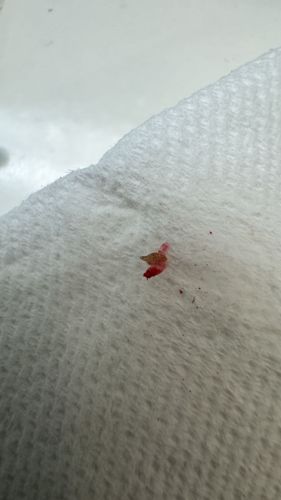
Bed Bug (Crushed)
Cimex lectularius
- Order & Family
- Hemiptera, Cimicidae
- Size
- Adults typically 4-5 mm (about 3/16 inch) in length. Nymphs are smaller.
Natural Habitat
Primarily human dwellings, especially bedrooms, living in cracks and crevices of mattresses, bed frames, furniture, and walls.
Diet & Feeding
Exclusively blood-feeders. They feed on the blood of humans and other warm-blooded animals, typically at night while the host is sleeping.
Behavior Patterns
Nocturnal, hiding in harborage during the day and emerging at night to feed. They are attracted to carbon dioxide and body heat. They can go long periods without feeding. Females lay multiple eggs daily after feeding.
Risks & Benefits
Risks: Bed bugs are considered a nuisance pest. Their bites can cause itchy welts, skin irritation, and in some individuals, allergic reactions. While they are not known to transmit diseases, their presence can lead to psychological distress, sleep deprivation, and secondary skin infections from scratching. Benefits: None to humans or the ecosystem.