
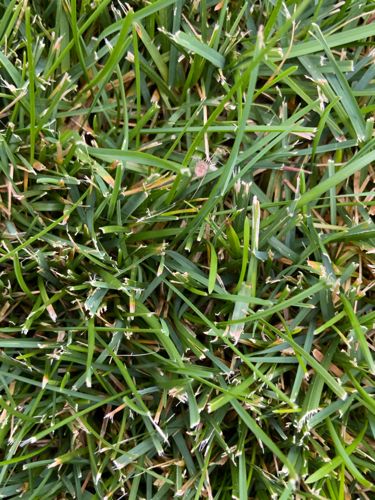
Spittlebug
Cercopoidea (Superfamily, encompassing various genera and species often referred to as spittlebugs, e.g., Philaenus spumarius)
- Order & Family
- Order Hemiptera, Family Aphrophoridae (true spittlebugs) or Cercopidae (froghoppers and spittlebugs)
- Size
- Nymphs: a few millimeters, depending on instar. Adults: typically 5-10 mm long.
Natural Habitat
Found in a variety of habitats where host plants are present, including grasslands, meadows, gardens, and agricultural fields. They are particularly common on herbaceous plants and grasses.
Diet & Feeding
Spittlebugs are plant feeders. Both nymphs and adults feed on plant sap by inserting their stylets (mouthparts) into the plant's xylem. The excess water from the xylem sap is expelled through the spittle.
Behavior Patterns
Spittlebugs are known for the protective, frothy 'spittle' they produce, which resembles spit. This spittle mass is created by the nymph and serves to protect it from predators, parasites, and desiccation. Nymphs remain in the spittle until they mature into adults. Adults are more mobile and can fly, but they are generally less conspicuous.
Risks & Benefits
Risks: Primarily a nuisance pest in lawns and gardens, as their feeding can cause minor damage to plants (wilting or stunted growth), though severe damage is rare. They can transmit plant diseases, although this is more common with certain species in agricultural contexts. Benefits: Generally considered harmless to humans and pets. They play a role in the food chain as a food source for various predators.