
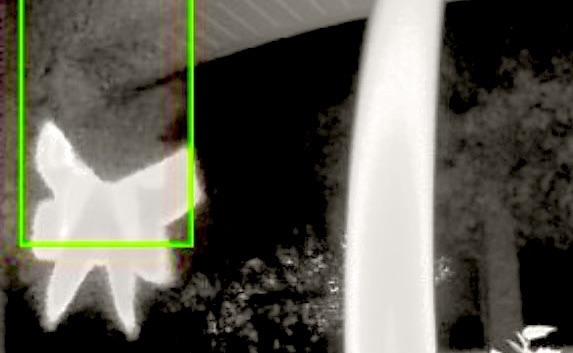
Community identification
Moth (General Identification)
Order Lepidoptera
- Order & Family
- Order: Lepidoptera, Family: Various (commonly Noctuidae, Erebidae, or Geometridae based on shape)
- Size
- Wingspans vary greatly, typically ranging from 10mm to over 150mm depending on the specific species.
Natural Habitat
Found worldwide in diverse habitats including forests, fields, gardens, and urban areas near artificial lights.
Diet & Feeding
Adults usually feed on flower nectar, fruit juices, or tree sap using a proboscis; larvae (caterpillars) feed on plant foliage.
Behavior Patterns
Primarily nocturnal or crepuscular; attracted to artificial light sources (phototaxis). Life cycle involves complete metamorphosis: egg, larva, pupa, and adult.
Risks & Benefits
Benefits include pollination and serving as a food source for bats and birds. Risks include some moth species acting as agricultural pests in their larval stage; generally harmless to humans.