
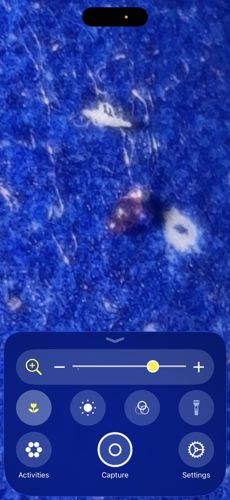
Bed Bug
Cimex lectularius
- Order & Family
- Order: Hemiptera, Family: Cimicidae
- Size
- Approximately 4–5 mm long (about the size of an apple seed) when fully grown.
Natural Habitat
Found primarily in human dwellings, particularly near sleeping areas such as mattresses, bed frames, headboards, and cracks or crevices in walls.
Diet & Feeding
Obligate hematophagous, meaning they feed exclusively on the blood of warm-blooded animals, primarily humans.
Behavior Patterns
Nocturnal pests that hide during the day and emerge at night to feed. They are highly resilient, can survive months without feeding, and reproduce rapidly via traumatic insemination.
Risks & Benefits
Risks include red, itchy welts from bites, allergic reactions, secondary skin infections from scratching, and significant psychological distress or insomnia. They are not known to transmit diseases to humans but are considered a major indoor nuisance pest. There are no known ecological benefits for humans.