
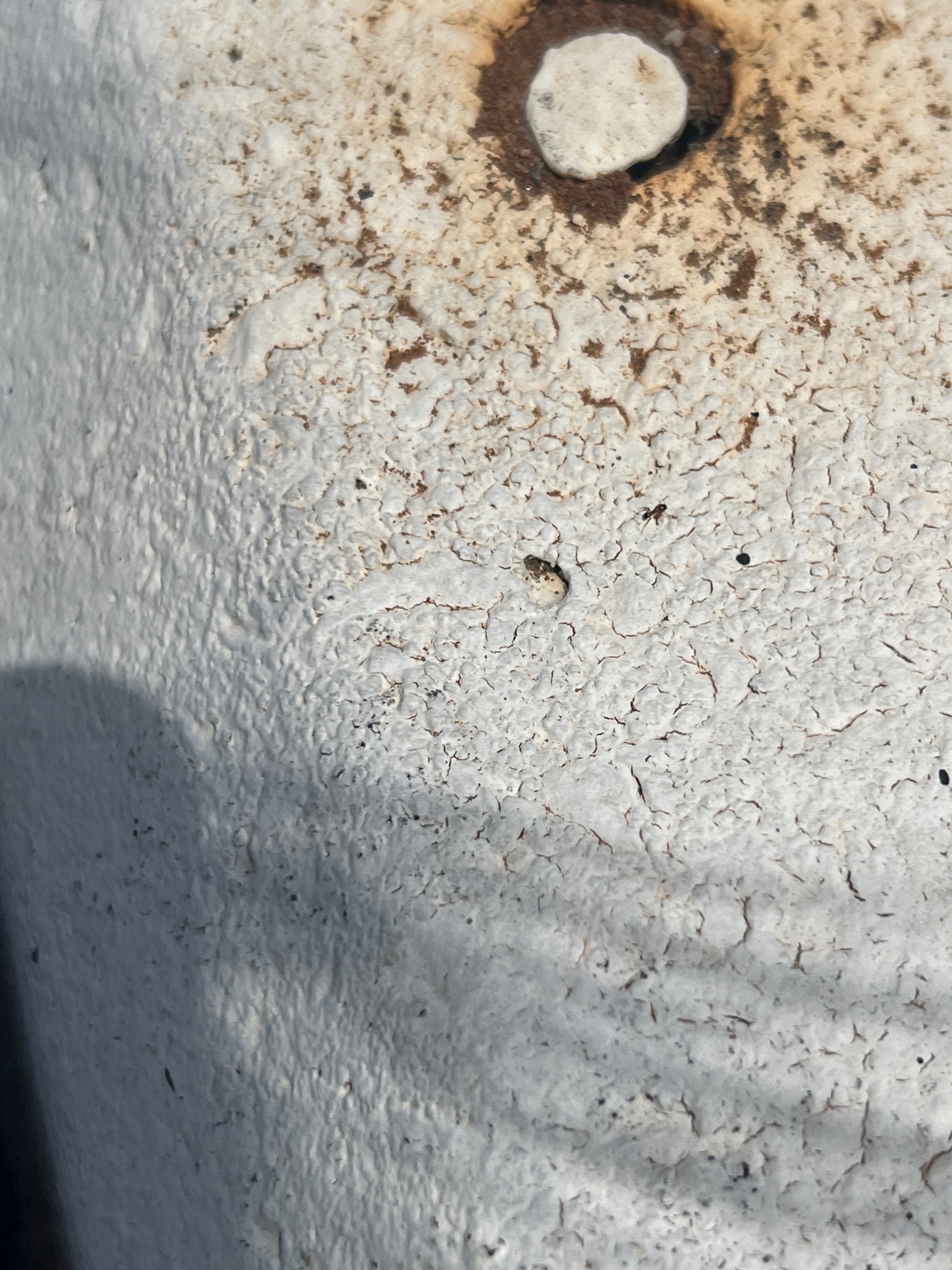
Ghost Ant
Tapinoma melanocephalum
- Order & Family
- Order: Hymenoptera, Family: Formicidae
- Size
- Approximately 1.3 to 1.5 mm (0.05 to 0.06 inches) in length
Natural Habitat
Widely distributed in tropical and subtropical regions; found in greenhouses or buildings in temperate climates. Typically nests in soil, hollow stems, under loose bark, or within wall voids and flower pots.
Diet & Feeding
Broadly omnivorous, with a strong preference for sweets such as honeydew from aphids or household sugars. They also consume protein, including other small insects.
Behavior Patterns
They are highly mobile, frequently moving nests to take advantage of new food sources. Known for their "ghost-like" appearance due to a dark head and thorax and nearly transparent abdomen and legs, making them hard to see.
Risks & Benefits
Generally considered a nuisance pest in homes and hospitals. While they do not sting or have a painful bite, they can contaminate food and have been known to mechanical carry certain pathogenic microbes. In ecosystems, they can help control other small pest populations.