
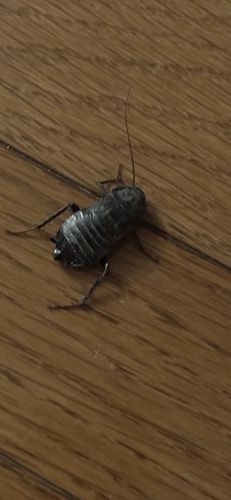
Oriental Cockroach
Blatta orientalis
- Order & Family
- Order: Blattodea, Family: Blattidae
- Size
- Males: 20–25 mm (0.8–1.0 in), Females: 25–30 mm (1.0–1.2 in)
Natural Habitat
Prefers damp, cool, and dark environments. Commonly found outdoors in sewers, drains, under leaf litter, in basements, crawl spaces, and cluttered areas. Can invade homes, especially during hot or dry weather, seeking water.
Diet & Feeding
Omnivorous scavengers, consuming a wide variety of organic matter including decaying plant and animal matter, garbage, crumbs, and other food scraps.
Behavior Patterns
Generally nocturnal, like most cockroaches, preferring to forage for food in the dark. They are fast runners and can be quite skittish. Females lay oothecae (egg cases) that they may carry for some time or deposit in a secluded, safe location.
Risks & Benefits
Risks: Considered a significant household pest. They can spread bacteria (like Salmonella and E. coli) and other pathogens picked up from sewage and decaying matter onto food preparation surfaces and food items, potentially causing food poisoning or other illnesses. They also produce allergens that can trigger asthma in sensitive individuals. Benefits: As decomposers, they play a minor role in breaking down organic matter in outdoor environments, but their presence indoors is overwhelmingly negative.