
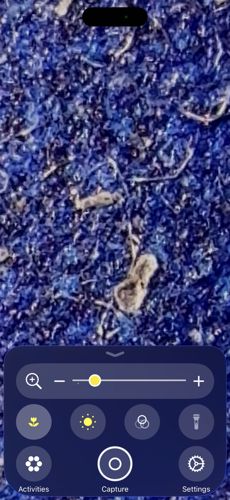
Community identification
Casemaking Clothes Moth (Larva)
Tinea pellionella
- Order & Family
- Order Lepidoptera, Family Tineidae
- Size
- Larvae are approximately 6 to 10 mm in length; the protective silken case is slightly larger than the larva itself.
Natural Habitat
Found indoors within homes, warehouses, and museums where natural fibers are present; larvae typically hide in carpets, closets, and upholstery.
Diet & Feeding
Larvae feed on keratins found in natural animal fibers such as wool, silk, hair, fur, feathers, and occasionally leather or dried biological specimens.
Behavior Patterns
Larvae construct a portable silken case incorporating fibers from their food source for camouflage. They stay inside this tube as they feed and eventually pupate within it. Adult moths are weak fliers and avoid light.
Risks & Benefits
They are a significant household pest that can cause extensive damage to clothing, rugs, and heirlooms. They provide no direct benefit to humans and are purely managed as pests in domestic environments.