
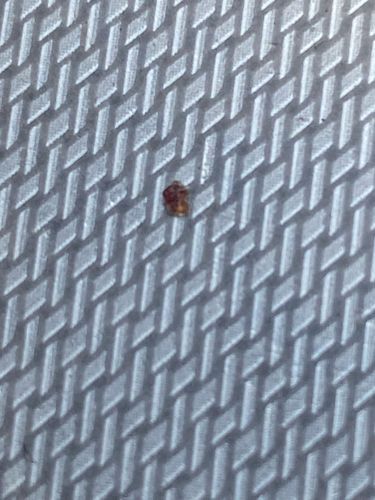
Community identification
Bed Bug
Cimex lectularius
- Order & Family
- Hemiptera: Cimicidae
- Size
- 4 mm to 7 mm in length (adults); nymphs are smaller and nearly translucent.
Natural Habitat
Indoor environments, primarily in cracks and crevices of beds, upholstered furniture, and walls near sleeping areas.
Diet & Feeding
Obligate hematophages; they feed exclusively on the blood of warm-blooded animals, with humans being the preferred host.
Behavior Patterns
Nocturnal and elusive; they use heat and carbon dioxide to locate hosts, feed for 3–10 minutes, and then retreat to hide. They undergo incomplete metamorphosis (egg, nymph, adult).
Risks & Benefits
Risks include itchy allergic reactions, secondary skin infections from scratching, and significant psychological distress/insomnia. They are not known to transmit diseases to humans. There are no ecological benefits to humans.