
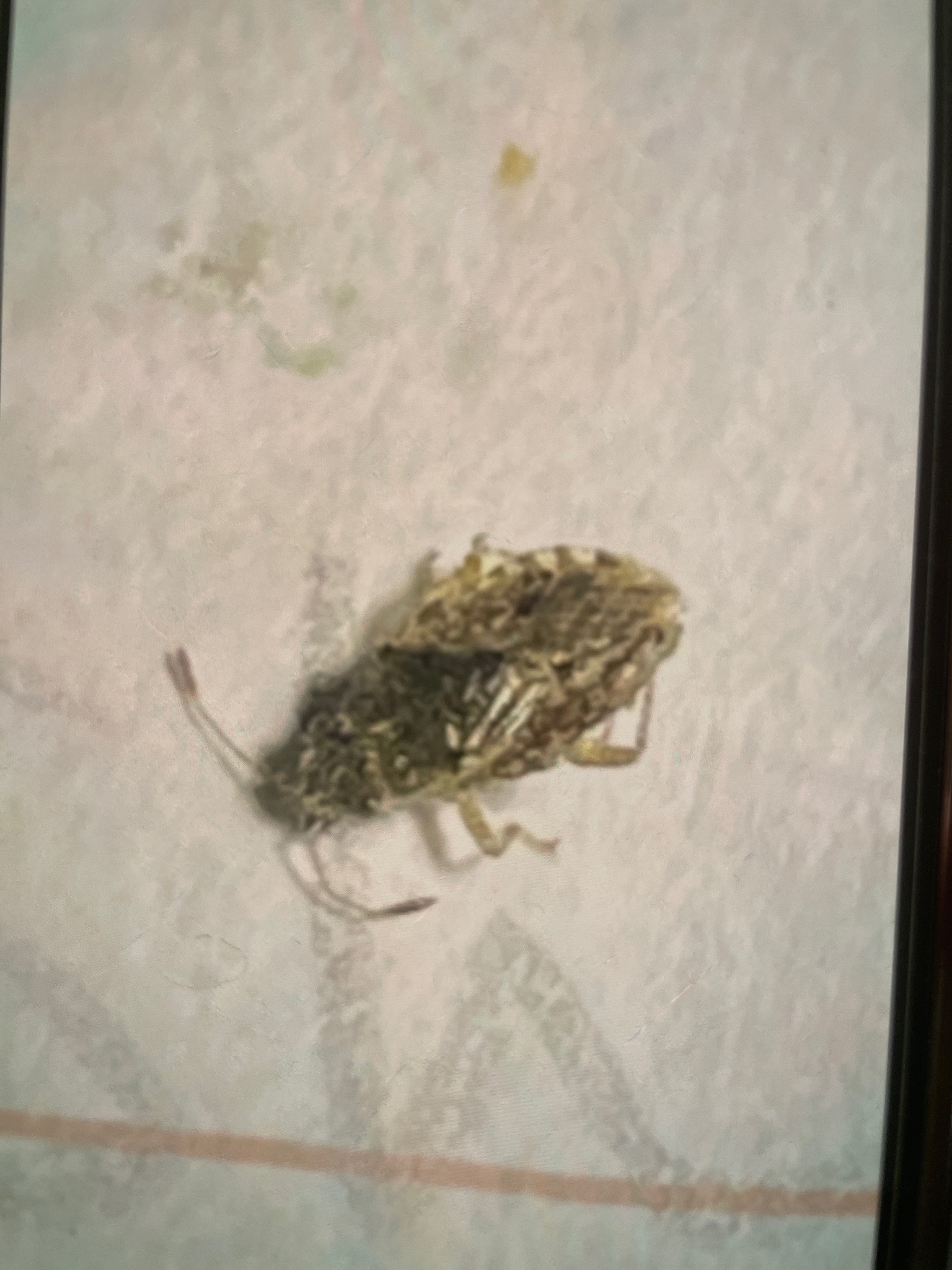
Community identification
Lace Bug
Family Tingidae
- Order & Family
- Hemiptera: Tingidae
- Size
- 2 to 8 mm (approximately 0.1 to 0.3 inches)
Natural Habitat
Typically found on the undersides of leaves of various trees and shrubs in gardens, forests, and landscapes.
Diet & Feeding
Herbivorous. They use piercing-sucking mouthparts to feed on plant sap, primarily from the undersides of leaves.
Behavior Patterns
They are known for their distinctive lace-like appearance. Many species are host-specific. They undergo incomplete metamorphosis, with nymphs appearing similar to adults but without wings. They often cause stippling or bleaching on leaves.
Risks & Benefits
Generally considered a garden pest as heavy infestations can cause yellowing or premature leaf drop in plants. They pose no significant risk to humans or pets; they can occasionally bite if they land on skin, but this is rare and not medically significant.