
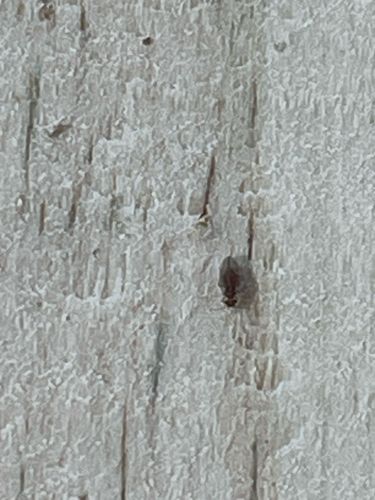
Community identification
Fruit Fly (Vinegar Fly)
Drosophila melanogaster
- Order & Family
- Diptera: Drosophilidae
- Size
- 3 to 4 mm in length
Natural Habitat
Found worldwide in association with human dwellings, kitchens, grocery stores, and agricultural areas with rotting vegetation.
Diet & Feeding
Primarily feeds on yeast growing on fermenting organic matter and overripe or rotting fruits and vegetables.
Behavior Patterns
Active year-round indoors; they are attracted to the smell of fermentation. Females lay eggs on moist organic material, and the life cycle can be completed in as little as 8 to 10 days.
Risks & Benefits
They do not bite or sting but are significant nuisance pests and can mechanically transport bacteria to food surfaces. In ecosystems, they aid in decomposition; in science, they are vital model organisms for genetic research.