
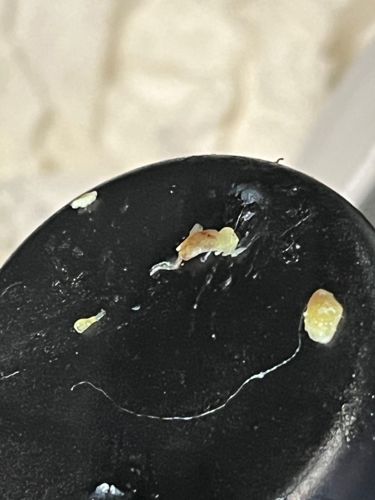
Louse
Pediculus humanus capitis or Phthirus pubis
- Order & Family
- Order: Psocodea (formerly Anoplura); Family: Pediculidae or Pthiridae
- Size
- 2mm to 4mm (roughly the size of a sesame seed).
Natural Habitat
Exclusively on the human body, specifically hair and scalp (head lice) or pubic hair/coarse body hair (pubic lice).
Diet & Feeding
Obligate parasites that feed exclusively on human blood several times a day.
Behavior Patterns
They reside near the surface of the skin to stay warm and feed. Females lay eggs (nits) and cement them to the base of hair shafts. They cannot jump or fly and are transmitted through direct physical contact or shared personal items.
Risks & Benefits
Risks include intense itching (pruritus), skin irritation, and potential secondary bacterial infections from scratching. Unlike body lice, head and pubic lice are not known to transmit systemic diseases but are considered a public health nuisance. There are no known benefits to humans or ecosystems.