
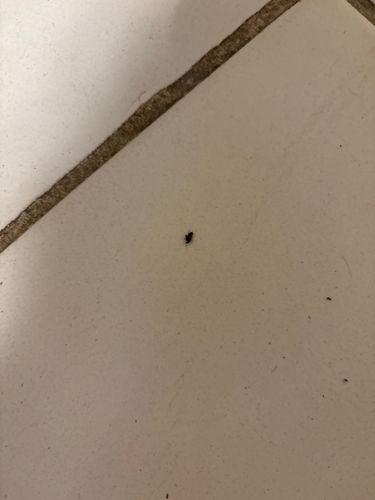
Community identification
Flea
Siphonaptera (Order)
- Order & Family
- Order: Siphonaptera; Family: Pulicidae (common domestic species)
- Size
- 1.5 mm to 3.3 mm in length
Natural Habitat
Found globally; indoors they reside in carpets, bedding, and floor cracks, while outdoors they inhabit tall grass and shaded areas near mammal hosts.
Diet & Feeding
Obligate hematophages; adults feed on the blood of mammals and birds. Larvae feed on organic debris and 'flea dirt' (adult fecal matter).
Behavior Patterns
Fleas are wingless, saltatorial (jumping) insects that use powerful hind legs to leap onto hosts. They undergo complete metamorphosis: egg, larva, pupa, and adult.
Risks & Benefits
Risks include skin irritation (dermatitis), transmission of tapeworms, and potential carriage of diseases such as murine typhus or plague. They offer no significant ecological benefits to human environments.