
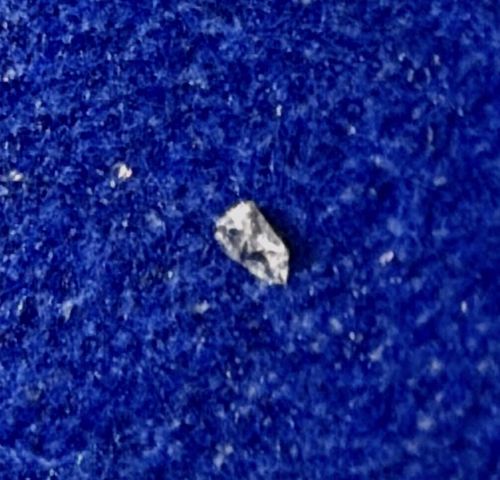
Household Casebearer (often referred to as Plaster Bagworm)
Phereoeca uterella
- Order & Family
- Order: Lepidoptera; Family: Tineidae (Fungus moths)
- Size
- The case is typically 7 to 13 mm (0.3 to 0.5 inches) long.
Natural Habitat
Found primarily indoors in humid environments, usually on walls (especially stucco or plaster), baseboards, closets, under furniture, or in garages. They thrive in areas where spider webs and dust accumulate.
Diet & Feeding
They feed on old spider webs, dead insects, lint, hair, and biological detritus found in dust. They can also eat woolen fibers or natural fabrics, though they are less destructive to clothing than standard clothes moths.
Behavior Patterns
The larva constructs a flat, pumpkin-seed or diamond-shaped protective case out of silk and debris (sand, soil, paint chips, lint) which it drags around. It stays inside the case while moving and can protrude its head from either end to feed or move.
Risks & Benefits
Primarily a nuisance pest in homes. They do not bite or sting humans. While they can feed on natural fibers like wool, damage is usually minor compared to other fabric pests; their presence often indicates a need for cleaning dust or removing old spider webs.