
Community identification
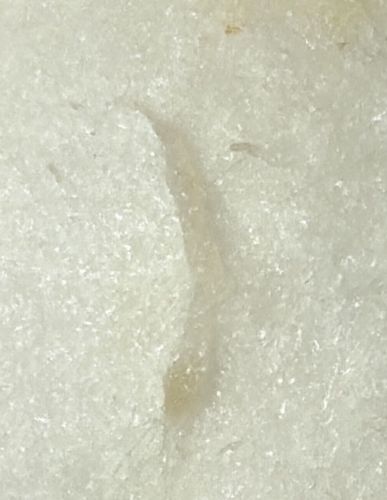
Fungus Gnat Larva
Bradysia spp. (common genus)
- Order & Family
- Diptera: Sciaridae
- Size
- Typically 3-6 mm (approx. 1/8 to 1/4 inch) in length
Natural Habitat
Damp soil, decaying organic matter, potted plant soil, greenhouses, and mushroom farms.
Diet & Feeding
Feeds primarily on fungi, decaying plant material, and root hairs in soil.
Behavior Patterns
Larvae live in the top few inches of moist soil. They are legless and worm-like with a distinctive shiny black head capsule (though difficult to see in this blurry image). Adult gnats fly erratically near the soil surface.
Risks & Benefits
Risks: Larvae can damage plant roots, stunting growth, especially in seedlings and cuttings. They can also spread fungal diseases like pythium. Benefits: They aid in the decomposition of organic matter in compost piles.