
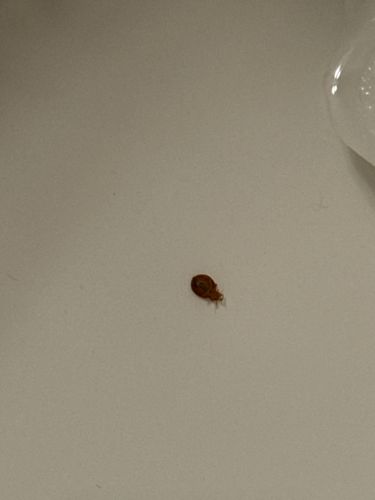
Bed Bug
Cimex lectularius
- Order & Family
- Hemiptera, Cimicidae
- Size
- Adult bed bugs are typically 4-5 mm (about the size of an apple seed).
Natural Habitat
Bed bugs are typically found in human dwellings, especially in bedrooms. They hide in mattresses, box springs, bed frames, headboards, and cracks in walls or furniture. They are also found in hotels, dormitories, and other shared living spaces.
Diet & Feeding
Bed bugs are obligate hematophagous insects, meaning their sole diet is blood. They feed on the blood of humans and other warm-blooded animals.
Behavior Patterns
Bed bugs are nocturnal, feeding on blood primarily at night while their hosts are asleep. They are very adept at hiding in cracks and crevices, making them difficult to detect and eradicate. They can survive for several months without a blood meal.
Risks & Benefits
Risks: Bed bug bites can cause itchy red welts, leading to discomfort, skin irritation, and potential secondary infections from scratching. They do not transmit diseases. Benefits: None for humans; they are considered pests.