
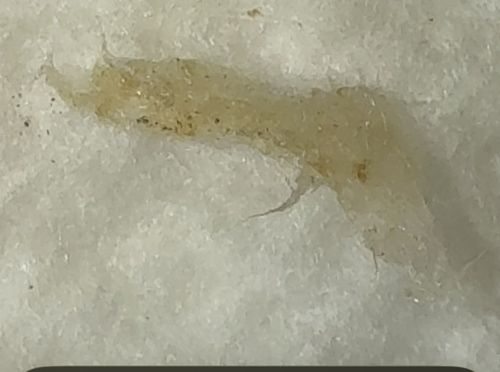
Community identification
Slug (Juvenile or Garden Slug)
Gastropoda (Class)
- Order & Family
- Stylommatophora (Order), Various potential families (e.g., Limacidae)
- Size
- Varies significantly by species and age; the one pictured appears to be a juvenile, likely between 5mm to 15mm.
Natural Habitat
Typically found in moist, dark environments such as under rocks, in leaf litter, gardens, soil, and damp basements.
Diet & Feeding
Omnivorous detritivores and herbivores. They feed on decaying organic matter, fungi, leaves, vegetables, and sometimes other small invertebrates.
Behavior Patterns
Slugs are nocturnal and seek shelter during the day to avoid dehydration. They move by secreting mucus (slime trails) and gliding on a muscular foot.
Risks & Benefits
Risks: Major garden pests that can decimate seedlings and leafy plants; can carry parasites like lungworm (harmful to pets) if ingested. Benefits: Decomposers that help break down organic matter in compost and soil.