
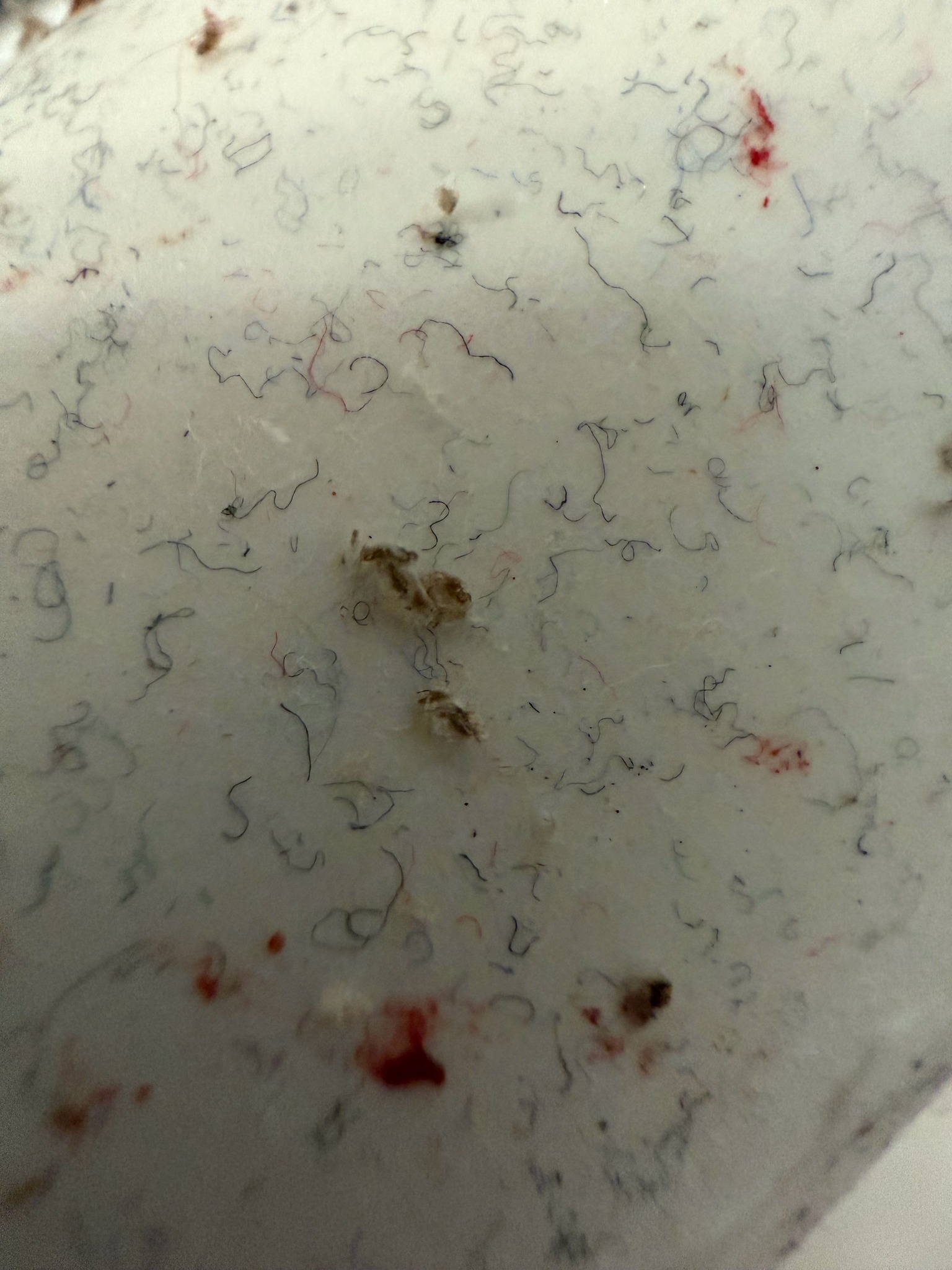
Community identification
Pubic louse
Pthirus pubis
- Order & Family
- Order Psocodea, Family Pthiridae
- Size
- 1.1 to 1.8 mm (roughly the size of a pinhead)
Natural Habitat
Primarily human pubic hair, but can also be found in other coarse body hair such as eyelashes, eyebrows, beard, or armpit hair.
Diet & Feeding
Obligate blood-feeders; they feed exclusively on human blood several times a day.
Behavior Patterns
They are wingless and slow-moving, typically remaining attached to hair shafts. They are transmitted through close physical contact or via shared clothing, towels, and bedding. Their eggs (nits) are glued to hair shafts.
Risks & Benefits
Risks include intense itching (pruritus) due to an allergic reaction to their saliva, and skin irritation or secondary bacterial infections from scratching. They do not transmit diseases. Benefit: none; they are parasites.