
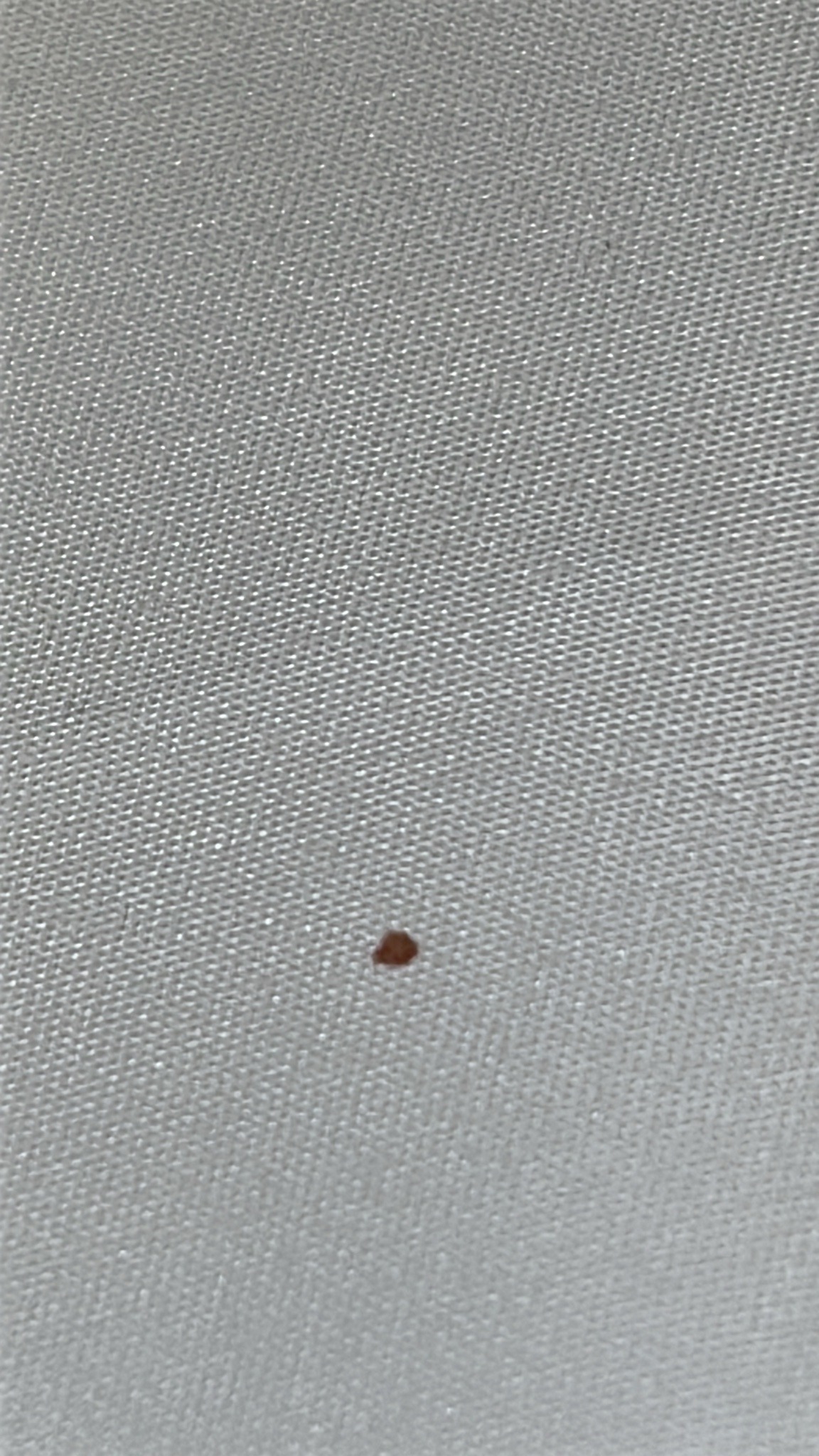
Bed Bug
Cimex lectularius
- Order & Family
- Order: Hemiptera, Family: Cimicidae
- Size
- 1 to 7 millimeters in length, about the size of an apple seed when fully grown.
Natural Habitat
Typically found in areas where humans rest or sleep, such as mattress seams, bed frames, headboards, and cracks or crevices in walls or furniture.
Diet & Feeding
Obligate blood feeders, primarily feeding on humans but may also feed on other warm-blooded animals.
Behavior Patterns
Mainly nocturnal pests that emerge at night to feed. They undergo incomplete metamorphosis consisting of five nymphal stages, each requiring a blood meal to molt. They are known for hitchhiking on luggage or clothing to spread.
Risks & Benefits
Risks include physical reactions to bites such as itching, inflammation, and potential secondary skin infections from scratching. They are not known to spread diseases but can cause significant psychological distress and sleep deprivation. There are no ecological benefits to humans.