
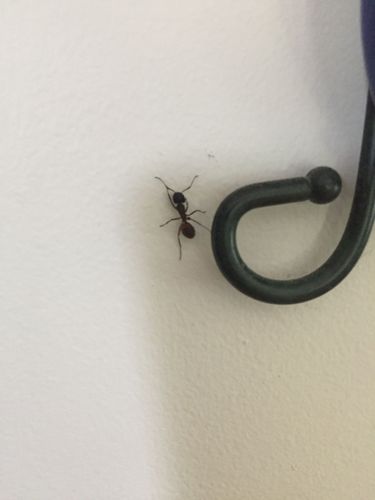
Ant
Formicidae (Family)
- Order & Family
- Order: Hymenoptera, Family: Formicidae
- Size
- Typically 2 to 25 mm (0.08 to 1 inch), depending on the species and caste.
Natural Habitat
Ants are found in nearly every terrestrial habitat on Earth, from forests and grasslands to deserts and urban environments. They build nests in a variety of places, including underground, in dead wood, under rocks, in tree cavities, and even within human structures.
Diet & Feeding
Ants have a diverse diet and are largely omnivorous. They consume sugars (honeydew from aphids, nectar, fruit), fats, proteins (other insects, dead animals), and seeds. The specific diet varies by species; for example, some are primarily predators, others are scavengers, and some cultivate fungi.
Behavior Patterns
Ants are social insects that live in colonies, which can range in size from a few dozen to millions of individuals. They exhibit complex social behaviors, including intricate communication (via pheromones), division of labor (queens, workers, males), and cooperative foraging. Workers often follow scent trails to food sources and bring resources back to the nest. They are known for building elaborate nests in soil, wood, or under rocks. Some species are highly territorial.
Risks & Benefits
Risks: Some species, like fire ants, can inflict painful stings. Certain species (e.g., carpenter ants) can cause structural damage to homes by nesting in wood. They can also be pests by contaminating food and spreading bacteria. Benefits: Ants play crucial roles in their ecosystems, including soil aeration and nutrient cycling, seed dispersal, and pest control (by preying on other insects). They are also an important food source for many animals.