
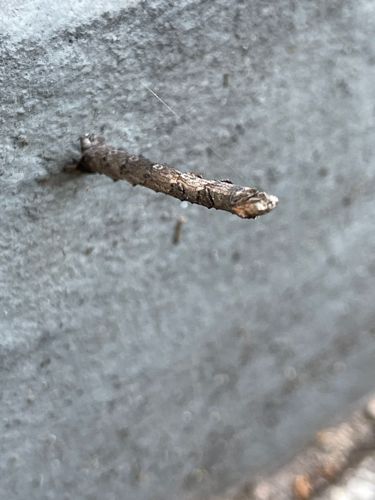
Bagworm Moth Larva (or simply Bagworm)
Thyridopteryx ephemeraeformis (Common Bagworm or Evergreen Bagworm is one of the most common species)
- Order & Family
- Lepidoptera, Psychidae (Bagworm Moths)
- Size
- Larval cases can range from 1/4 inch to over 2 inches (6 mm to 5 cm) long, depending on the species and larval instar. The larva inside is typically proportionate to the case size.
Natural Habitat
Found on a wide variety of trees and shrubs in forested areas, gardens, orchards, and urban landscapes. They are adept at camouflaging their cases to blend in with their host plants.
Diet & Feeding
Primarily herbivorous, feeding on the foliage of various trees and shrubs. Different species may have preferences, but commonly feed on evergreens (like juniper, arborvitae, pine, spruce, cedar) and deciduous trees (like oak, maple, sycamore, willow).
Behavior Patterns
Case-bearing insects that carry their protective cases throughout their larval stage. The cases are constructed from silk and various environmental materials like twigs, leaves, and sand, providing camouflage and protection. Larvae are slow-moving and primarily feed within or near their cases. They pupate inside the case, and adult moths emerge from the case.
Risks & Benefits
Risks: Bagworm larvae can be significant pests, especially to ornamental trees and shrubs. Heavy infestations can lead to defoliation, branch dieback, and even death of the host plant, particularly evergreens which cannot easily regenerate lost foliage. Benefits: In natural ecosystems, they are part of the food chain, serving as a food source for birds and parasitic insects. Their impact is generally considered more negative due to their pest status in cultivated areas.