
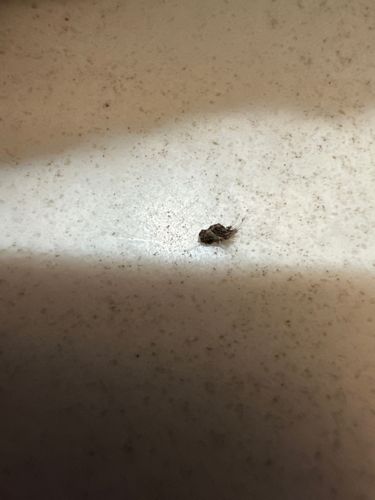
Case-bearing Clothes Moth
Tinea pellionella
- Order & Family
- Lepidoptera (Order), Tineidae (Family)
- Size
- Adults have a wingspan of about 9-16 mm (0.35-0.63 in). The larvae, when fully grown, are typically 10-14 mm (0.4-0.55 in) long, and their case can be up to 10-12 mm (0.4-0.47 in) long.
Natural Habitat
Indoors, they are commonly found in closets, attics, storage chests, and other dark, undisturbed areas where textile items (clothing, carpets, upholstery, blankets) are stored. They can also infest pet bedding, taxidermy, and natural fiber insulation.
Diet & Feeding
The larvae feed on materials of animal origin, particularly natural fibers containing keratin. This includes wool, silk, fur, feathers, felt, and leather. They can also infest dried animal carcasses, museum specimens, and even dust bunnies containing hair.
Behavior Patterns
Case-bearing clothes moths are often found in dark, undisturbed areas where their food sources are abundant. The larvae build a silken case, which they carry with them and enlarge as they grow. They are slow-moving and often feed within or near this case. Adults are poor fliers and are more often seen crawling. They are attracted to light but prefer dark, quiet places for reproduction.
Risks & Benefits
Risks: The primary risk is damage to natural fiber textiles and stored products, leading to holes in clothing, carpets, and other valuable items. They do not bite or transmit diseases to humans. Benefits: Generally considered a pest in human environments; they have no significant benefits to humans or ecosystems in an indoor setting. In nature, they contribute to the breakdown of animal remains.