
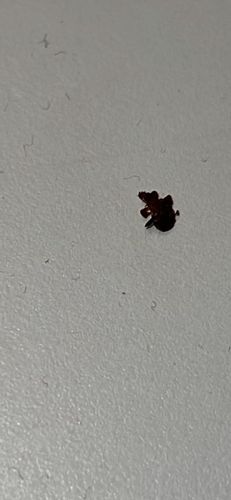
Bed Bug
Cimex lectularius
- Order & Family
- Hemiptera (Order), Cimicidae (Family)
- Size
- 4-5 mm (unfed adult), up to 7 mm (engorged adult)
Natural Habitat
Primarily found in human dwellings, particularly in bedrooms. They infest mattresses, bed frames, furniture, cracks in walls, and other hidden areas close to where people sleep. They can also be found in hotels, dormitories, apartments, and public transport.
Diet & Feeding
Strictly hematophagous, meaning they feed exclusively on the blood of warm-blooded animals, primarily humans.
Behavior Patterns
Bed bugs are nocturnal and are attracted to the carbon dioxide and warmth emitted by sleeping hosts. They hide in cracks and crevices during the day, such as mattress seams, bed frames, headboards, and walls. They are known for their resilience and can survive for several months without feeding.
Risks & Benefits
Risks: Bed bugs do not transmit diseases, but their bites can cause itchy red welts, leading to skin irritation, allergic reactions, and secondary skin infections from scratching. Infestations can cause significant psychological distress, including anxiety, insomnia, and paranoia. Benefits: None for humans; they are considered a pest species.