
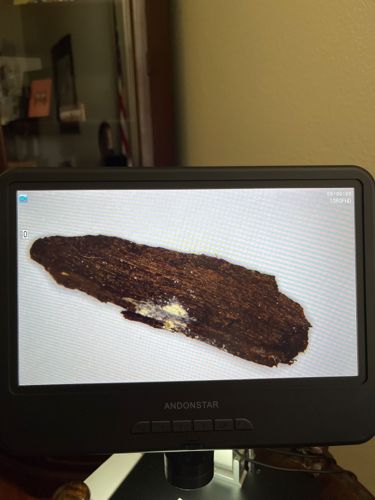
Community identification
Ant brood (specifically ant larvae/eggs)
Formicidae (Family)
- Order & Family
- Order: Hymenoptera, Family: Formicidae
- Size
- Varies by species; typically 0.5 mm to 10 mm in length depending on developmental stage and caste (worker vs queen).
Natural Habitat
Typically found within underground nests, inside rotting wood, or under stones where humidity and temperature are strictly controlled by the colony.
Diet & Feeding
Larvae are fed by adult workers with a diet of regurgitated liquids, insect parts, or trophic eggs provided by the queen or workers.
Behavior Patterns
Larvae are immobile and entirely dependent on adult workers for care. Workers move them between different chambers of the nest to find the optimal microclimate for growth.
Risks & Benefits
While ants can be pests in homes, they reflect a healthy ecosystem. Ants provide significant benefits as soil aerators, seed dispersers, and predators of other pests like termites and fleas.