
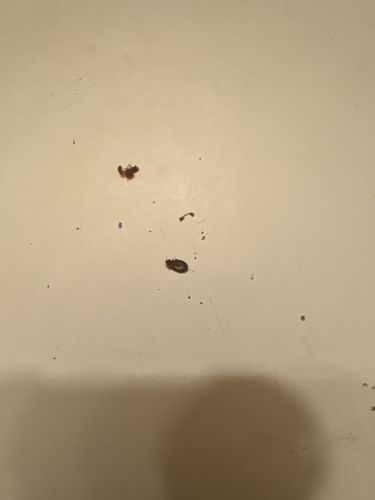
Bed Bug
Cimex lectularius
- Order & Family
- Hemiptera (order), Cimicidae (family)
- Size
- 4-5 mm (0.16-0.2 inches) for adults, nymphs are smaller.
Natural Habitat
Primarily human dwellings, especially beds, mattresses, bed frames, and furniture where they can hide and have easy access to human hosts for blood meals. Can also be found in cracks, crevices, behind wallpaper, and under floorboards.
Diet & Feeding
Exclusively blood-feeders. They feed on human blood, and occasionally on the blood of other warm-blooded animals, typically at night while the host is sleeping.
Behavior Patterns
Nocturnal; they hide during the day and emerge at night to feed. They are attracted to carbon dioxide and body heat. They tend to live in groups and leave behind fecal spots (digested blood) that appear as small, dark stains. They are resilient and can survive for several months without a blood meal.
Risks & Benefits
Risks: Bed bugs are considered a nuisance pest. Their bites can cause itchy welts, skin irritation, and allergic reactions in some individuals. While they are not known to transmit diseases, heavy infestations can lead to anxiety, sleep deprivation, and secondary skin infections from scratching. Benefits: None known to humans or the ecosystem, they are strictly parasites.