
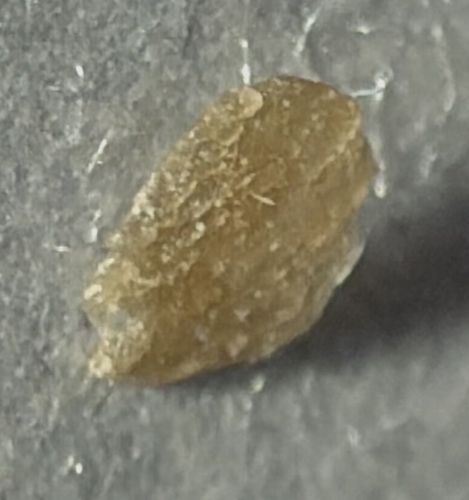
Household Casebearer or Plaster Bagworm
Phereoeca uterella or Phereoeca allutella
- Order & Family
- Order: Lepidoptera, Family: Tineidae
- Size
- Larval case is generally 8–13 mm long (approx. 0.5 inches)
Natural Habitat
Typically found indoors in dry, dusty areas, corners of rooms, closets, under furniture, or on stucco/plaster walls in warm, humid climates.
Diet & Feeding
Detritivores; they feed on old spider webs, wool, hair, lint, dead insects, and dried animal remains.
Behavior Patterns
The larva constructs a protective, flattened, pumpkin-seed-shaped case out of silk and environmental debris (dust, sand, grit). It drags this home around with it, emerging from either end to feed. They are nocturnal and seek humid areas.
Risks & Benefits
Generally harmless to humans (they do not bite or sting). However, they can be a minor household pest as they may eat woolen fabrics or natural fibers if populations are high. They provide a minor ecological benefit by cleaning up dead insects and cobwebs.