
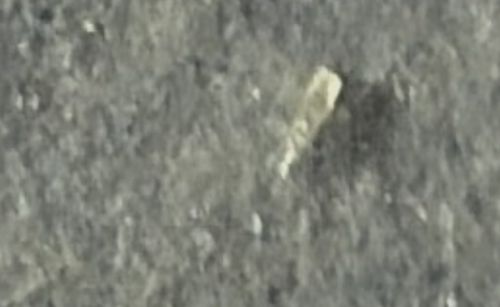
Plaster Bagworm (or Household Casebearer)
Phereoeca uterella
- Order & Family
- Order: Lepidoptera, Family: Tineidae
- Size
- Generally 8 to 13 millimeters in length
Natural Habitat
Typically found indoors in high-humidity areas, clinging to walls (especially stucco or plaster), baseboards, or underneath furniture. It is common in tropical and subtropical climates like Florida.
Diet & Feeding
The larva feeds on spider webs (often old cobwebs), wool, hair, and miscellaneous organic debris found in dust. They do not typically eat plaster despite the name.
Behavior Patterns
The larva constructs a distinctive flattened, pumpkin-seed-shaped case made of silk and debris (sand, soil, paint chips) which it carries around for protection. It eventually pupates inside this case. They are often seen slowly dragging their case along walls.
Risks & Benefits
Generally considered a nuisance pest rather than a major threat. They do not bite or sting humans and typically do not cause significant structural damage, though large infestations can damage wool clothing or rugs. They can be beneficial by eating spider webs.