
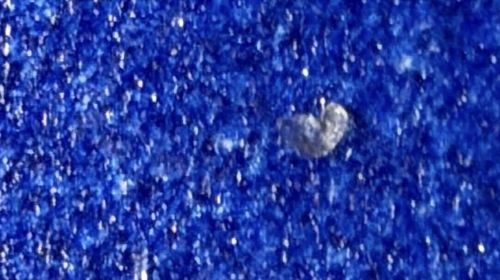
Community identification
Pubic Louse
Pthirus pubis
- Order & Family
- Order: Psocodea, Family: Pthiridae
- Size
- 1.1 mm to 1.8 mm (about the size of a pinhead).
Natural Habitat
Exclusively found on humans; primarily inhabits coarse body hair (pubic, armpit, beard, or eyebrows).
Diet & Feeding
Obligate hematophagy; they feed exclusively on human blood several times a day.
Behavior Patterns
The louse has a heart-shaped, crab-like body. They are slow-moving and use their large claws to grasp thick hair shafts. They cannot jump or fly and usually transfer through direct physical contact.
Risks & Benefits
Risks: Causes intense itching (pruritus) due to an allergic reaction to their saliva. They are considered an ectoparasite and a sign of infestation (pediculosis pubis). No known benefits to humans or the ecosystem.