
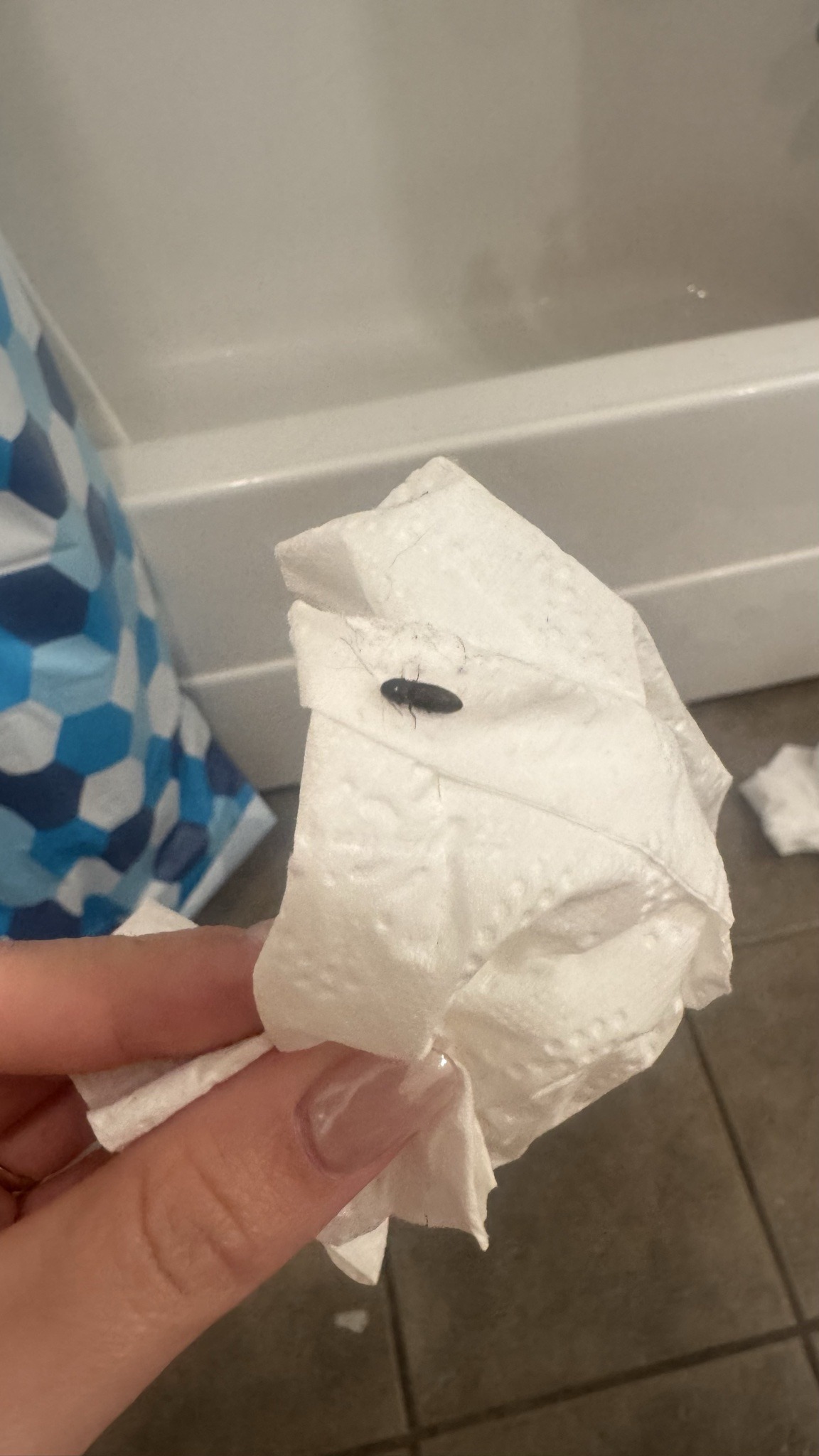
Community identification
Click Beetle
Aeolus mellillus (various species)
- Order & Family
- Order: Coleoptera; Family: Elateridae
- Size
- 2 to 40 mm (most common household invaders are 12 to 20 mm)
Natural Habitat
Outdoors in gardens, fields, and forests; often attracted to lights and found entering homes through small gaps.
Diet & Feeding
Larvae (wireworms) feed on plant roots and seeds; adults typically feed on plant juices, pollen, or nectar.
Behavior Patterns
Characterized by a unique 'clicking' mechanism where they snap a spine on their thorax to flip themselves into the air if turned upside down or to escape predators.
Risks & Benefits
They are harmless to humans and do not bite or sting. While they can be a minor nuisance indoors, they do not cause structural damage; some larvae species are agricultural pests.