
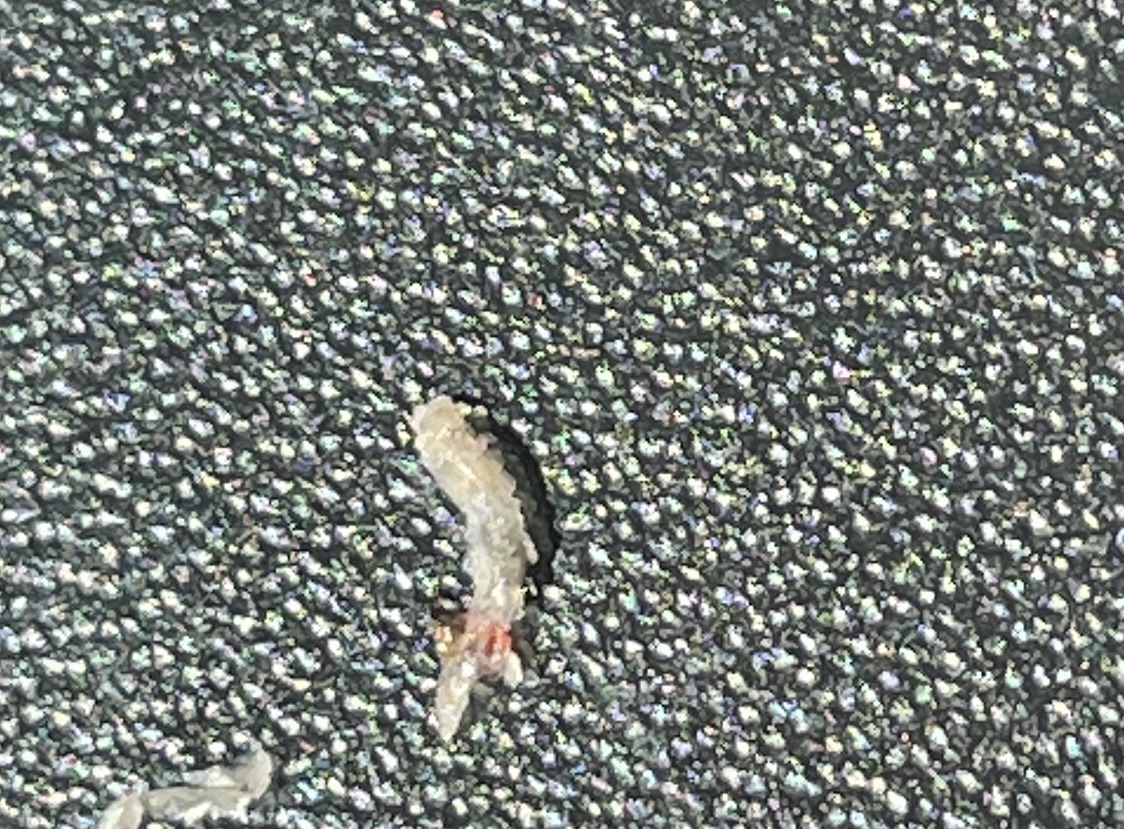
Community identification
Body Louse
Pediculus humanus humanus
- Order & Family
- Order: Psocodea; Family: Pediculidae
- Size
- 2.3 to 3.6 mm in length
Natural Habitat
Typically found on clothing and bedding of infested individuals, moving to the skin only to feed.
Diet & Feeding
Strictly hematophagous; they feed exclusively on human blood several times a day.
Behavior Patterns
They hide in the seams of clothing and lay their eggs (nits) there. They are highly dependent on human warmth and blood meals for survival and reproduction.
Risks & Benefits
Risks include intense itching, skin rashes, and the potential transmission of serious diseases such as epidemic typhus, trench fever, and louse-borne relapsing fever. There are no known benefits to humans or ecosystems.