
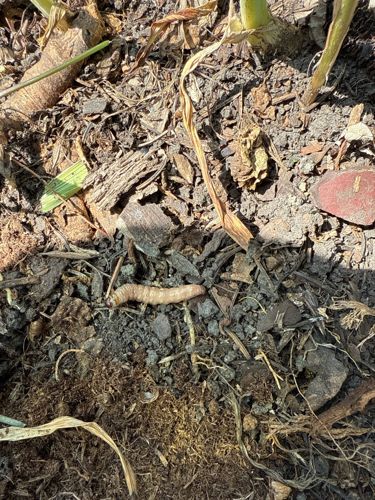
Wireworm (larval stage of Click Beetle)
Various genera within Elateridae (e.g., Agriotes, Limonius, Melanotus)
- Order & Family
- Order: Coleoptera, Family: Elateridae
- Size
- Larvae (wireworms) can range from 0.5 to 4 cm (0.2 to 1.6 inches) in length. Adult click beetles vary in size depending on the species, typically from 1 to 4 cm (0.4 to 1.6 inches).
Natural Habitat
Wireworms are found in a wide variety of soil types, particularly in cultivated fields, gardens, and grasslands. They prefer moist, cool soil conditions, often found deeper in the soil during dry or hot periods.
Diet & Feeding
Wireworms are primarily herbivorous, feeding on seeds, roots, and underground stems of various plants, including corn, wheat, potatoes, carrots, and other vegetables. Some species can be predatory on other soil invertebrates.
Behavior Patterns
Wireworms are the larval stage of click beetles. They live in the soil for several years (1-6 years) before pupating and emerging as adult beetles. They are most active in spring and fall when soil moisture is adequate. They move through the soil, feeding on roots and underground stems. Adults are typically nocturnal but are not considered pests; it's the larval stage that causes damage.
Risks & Benefits
Risks: Significant agricultural pests, especially to newly planted seeds and young seedlings, as well as root crops. They can cause considerable crop loss by boring into seeds, cutting off roots, and tunneling into tubers. Benefits: Adult click beetles contribute to the ecosystem as decomposers or general predators, and they are not considered pests. Some wireworm species are beneficial predators of other soil insects, but the majority are considered plant pests.