
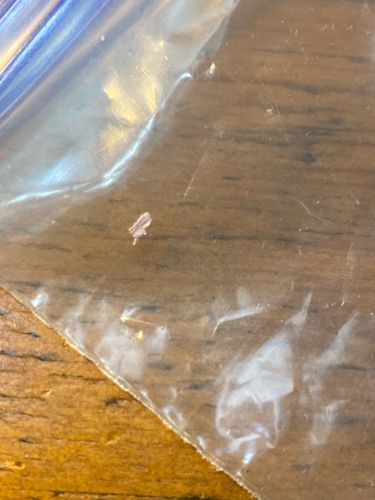
Bed Bug
Cimex lectularius
- Order & Family
- Hemiptera: Cimicidae
- Size
- 1mm to 7mm (adults are about the size of an apple seed; nymphs are smaller and more translucent).
Natural Habitat
Found globally indoors, specifically in close proximity to human sleeping areas such as mattresses, bed frames, headboards, and cracks or crevices in furniture.
Diet & Feeding
Obligate hematophages, meaning they feed exclusively on animal blood, primarily humans, but will also feed on poultry and other mammals.
Behavior Patterns
Nocturnal and elusive; they are attracted to heat and carbon dioxide. After feeding, they retreat to hidden spots to digest and mate. Lifecycle includes egg, five nymphal stages (each requiring a blood meal to molt), and adult.
Risks & Benefits
Risks include itchy allergic reactions, skin rashes, and psychological distress/insomnia. They are not known to transmit diseases to humans. There are no ecological benefits to humans; they are considered a significant indoor pest.