
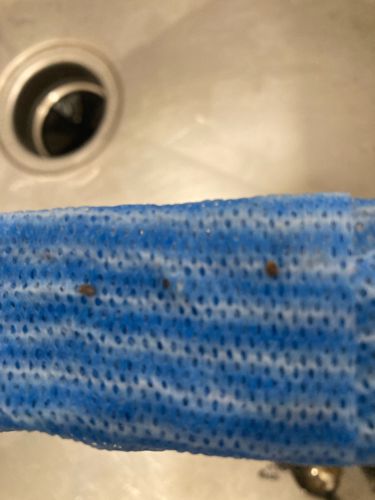
Drain Fly (or Moth Fly)
Psychoda spp. (among others in Psychodidae family)
- Order & Family
- Diptera, Psychodidae
- Size
- 2-5 mm (0.08-0.2 inches) in length
Natural Habitat
Drains, sewers, septic tanks, and other areas with standing water and decaying organic matter; frequently found in bathrooms, kitchens, and basements.
Diet & Feeding
Larvae feed on decaying organic matter, sludge, and microorganisms found in moist environments. Adult drain flies do not eat solid food, but may drink liquids.
Behavior Patterns
Adults are weak, erratic flyers, often seen hopping or crawling near drains, sinks, or showers. They are most active at night. Females lay eggs in gelatinous masses on the surfaces of organic matter in drains. Larvae develop in these moist, organic-rich films, pupating before emerging as adults. Their life cycle can be as short as 1 to 2 weeks.
Risks & Benefits
Potential risks include being a nuisance pest due to their presence in homes and potential to transmit bacteria mechanically, though this is rare. They do not bite or sting. In terms of benefits, their larvae contribute to the breakdown of organic waste in their natural habitats, but an infestation in a home is generally considered a sign of a plumbing issue or an accumulation of organic debris.