
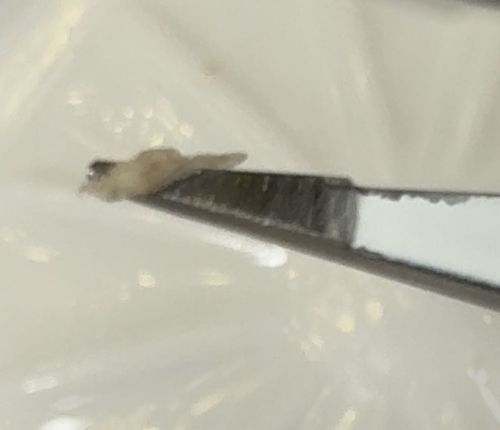
Community identification
Body Louse
Pediculus humanus humanus
- Order & Family
- Order: Psocodea (formerly Phthiraptera), Family: Pediculidae
- Size
- 2.3 mm to 3.6 mm (roughly the size of a sesame seed)
Natural Habitat
Found on the human body, specifically living and laying eggs (nits) in clothing, bedding, or fabric seams that contact skin.
Diet & Feeding
Obligate hematophage: feeds exclusively on human blood several times a day.
Behavior Patterns
They are crawling insects that cannot jump or fly; they move to the skin only for feeding. They reproduce rapidly, with females laying about 5-10 eggs per day in clothing fibers.
Risks & Benefits
Risks: Can cause intense itching and skin rashes (pediculosis). Unlike head lice, body lice are vectors for serious diseases such as epidemic typhus, trench fever, and louse-borne relapsing fever. There are no ecological benefits.