
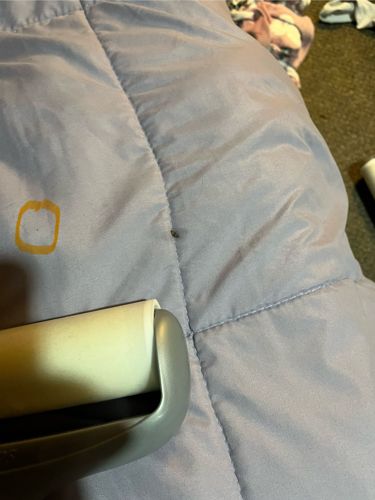
Flea
Siphonaptera (order), various species such as Ctenocephalides felis (cat flea)
- Order & Family
- Order: Siphonaptera, Family: Various (e.g., Pulicidae)
- Size
- Typically 1-4 mm (0.04-0.16 inches) in length
Natural Habitat
Fleas typically live on the bodies of warm-blooded animals (mammals and birds) and in their immediate environment, such as bedding, carpets, cracks in floors, and furniture. They thrive in warm, humid conditions.
Diet & Feeding
Adult fleas are obligate hematophagous parasites, meaning they feed exclusively on the blood of their hosts. Larval fleas feed on organic debris, including adult flea feces (which contain digested blood).
Behavior Patterns
Fleas are wingless insects known for their ability to jump significant distances, using their powerful hind legs to move from host to host or to escape threats. They undergo complete metamorphosis with four life stages: egg, larva, pupa, and adult. Females lay eggs on the host, which then fall off into the environment. Larvae hatch and feed on organic detritus, then spin cocoons to pupate. Adults emerge from pupae when stimulated by warmth, vibrations, or carbon dioxide, indicating a potential host is nearby. They are often most active during warmer months.
Risks & Benefits
Potential risks include causing intense itching, skin irritation (flea allergy dermatitis in pets), and secondary bacterial infections from scratching. Fleas can transmit diseases such as plague (Yersinia pestis) and murine typhus (Rickettsia typhi), and they can serve as intermediate hosts for parasites like the tapeworm Dipylidium caninum. For humans, flea bites are typically itchy, red welts, often appearing on ankles and legs. There are no known direct benefits of fleas to humans, and their ecological benefits are limited, primarily serving as a food source for some predators and decomposers in specific ecosystems.