
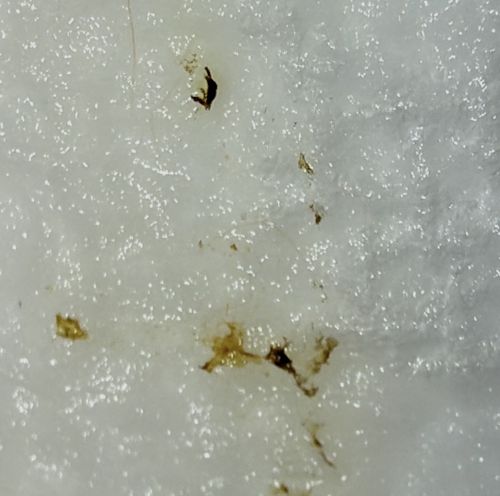
Community identification
Flea
Ctenocephalides felis / Ctenocephalides canis
- Order & Family
- Order: Siphonaptera; Family: Pulicidae
- Size
- 1.5 to 3.5 mm (approx. 1/16 to 1/8 inch)
Natural Habitat
Primarily found on the skin and fur of mammals (cats, dogs, wildlife); eggs and larvae develop in dark places like carpets, bedding, and floor cracks.
Diet & Feeding
Adults feed exclusively on the blood of their hosts (hematophagous); larvae feed on organic debris and dried blood (flea dirt) found in the environment.
Behavior Patterns
Flightless but capable of jumping long distances relative to distinct size; complete metamorphosis (egg, larva, pupa, adult); rapid reproduction cycle.
Risks & Benefits
Risks include intense itching, allergic dermatitis, anemia in small pets, and serving as vectors for tapeworms (Dipylidium caninum) and diseases like typhus or cat scratch disease. No known environmental benefits.