
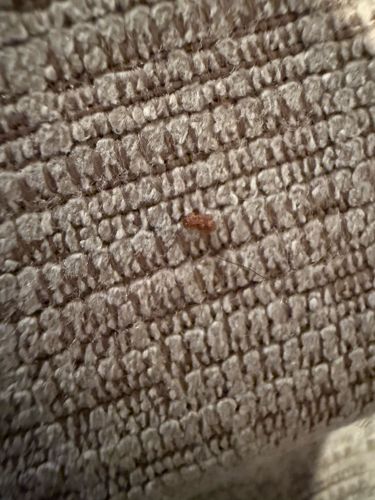
Booklouse / Psocid
Various species within the order Psocoptera (e.g., Liposcelis spp.)
- Order & Family
- Order: Psocoptera, Family: Liposceldidae (common indoor booklice)
- Size
- 1-2 mm
Natural Habitat
Damp, warm, and dark places with a food source, such as under wallpaper, in books, food storage areas, and on decaying organic matter. They thrive in high humidity.
Diet & Feeding
Mould, fungi, dead insect fragments, starches (e.g., from book bindings, wallpaper paste), cereal products, and other organic debris.
Behavior Patterns
They are typically slow-moving and often go unnoticed due to their small size. They are active in humid conditions and can reproduce rapidly when conditions are favorable. They are photophobic (avoid light).
Risks & Benefits
Generally considered harmless to humans, they do not bite or transmit diseases. However, large infestations can cause damage to stored products, books, and other starchy materials. They can also indicate dampness or mold issues in a building.