
Community identification
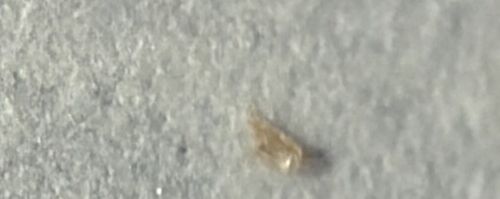
Booklouse
Liposcelis spp. (Typical genus found indoors)
- Order & Family
- Psocodea; Liposcelididae
- Size
- Very small, typically 1 mm to 2 mm in length.
Natural Habitat
Damp indoor environments, often found near moldy paper, books, wallpaper, stored grains, or humid cracks and crevices.
Diet & Feeding
Feeds on microscopic fungi, mold spores, starch, glue (from book bindings), and sometimes dried food products.
Behavior Patterns
They do not bite or fly (most indoor species are wingless). They move quickly in short, jerky bursts and are attracted to areas with high humidity where mold can grow.
Risks & Benefits
Risks: harmless to humans (no biting/sting), but can be a nuisance pest and contaminate stored grains. Benefits: They indicate high humidity or mold issues in a home and act as scavengers.