
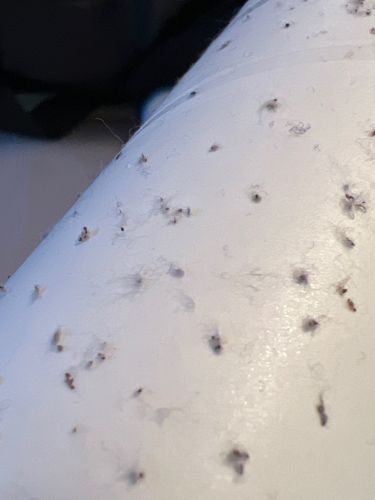
Fungus Gnats
Bradysia spp., Sciara spp., and others
- Order & Family
- Diptera, Sciaridae and Mycetophilidae
- Size
- 1/16 to 1/8 inch (2-3 mm) in length
Natural Habitat
Damp, organic-rich environments, especially potted plants, greenhouses, and compost piles. They are attracted to moist soil and decaying plant matter.
Diet & Feeding
Adult fungus gnats typically do not feed or feed on liquids. Their larvae feed on fungi, decaying organic matter, and plant roots.
Behavior Patterns
Adults fly in a seemingly aimless fashion, often close to the soil surface or around windows. Females lay eggs in moist soil. Larvae develop in the soil, feeding on organic material. They are often a sign of overwatering.
Risks & Benefits
Risks: Larvae can damage plant roots, especially in seedlings and young plants, leading to wilting, stunted growth, or plant death. They can be a nuisance indoors. Benefits: In natural environments, they contribute to the decomposition of organic matter, aiding in nutrient recycling.