
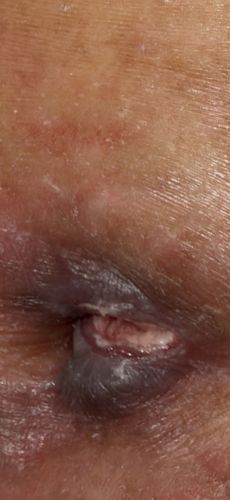
Human Botfly
Dermatobia hominis
- Order & Family
- Order: Diptera (Flies), Family: Oestridae (Botflies)
- Size
- Adult flies are 12–18 mm long (about the size of a bumblebee). The larva shown in the image can grow up to 18–24 mm long and become quite thick before dropping out of the host.
Natural Habitat
Found primarily in Central and South America. The larvae require a mammalian host (such as humans, cattle, dogs, or monkeys) to develop, living subcutaneously. Adults inhabit forests and open areas in tropical regions.
Diet & Feeding
Larvae are parasitic, feeding on tissue exudates and body fluids within the host's skin. Adult flies have vestigial mouthparts and do not feed; they live only for a short time to reproduce.
Behavior Patterns
The female botfly captures a blood-sucking vector (like a mosquito or tick) and glues her eggs to its abdomen. When the vector bites a host, the body heat causes the eggs to hatch. The larvae enter the skin through the bite wound or hair follicle. They maintain a breathing hole (seen in the image) and anchor themselves with spines to prevent easy removal.
Risks & Benefits
Risks: Infestation causes furuncular myiasis—painful, raised, boil-like lesions that may discharge pus or blood. Patients often feel movement under the skin. Bacterial infection is a risk, especially if the larva ruptures during attempted extraction. Benefits: None to humans; they are significant pests to livestock.