
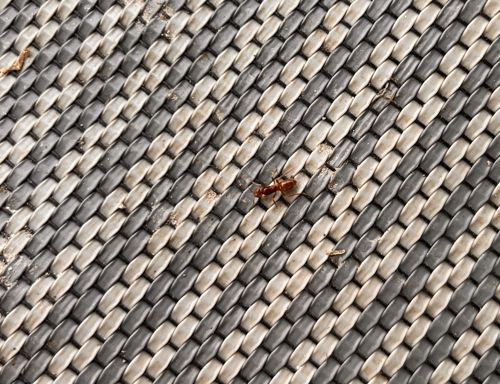
Red Imported Fire Ant
Solenopsis invicta
- Order & Family
- Order: Hymenoptera, Family: Formicidae
- Size
- Workers vary in size from 2 mm to 6 mm (0.08 to 0.24 inches) in length.
Natural Habitat
Typically found in urban areas, agricultural fields, lawns, parks, and other disturbed habitats. They prefer open, sunny areas with moist soil, but can adapt to various conditions.
Diet & Feeding
Omnivorous. They feed on a wide variety of foods including plants, seeds, other insects, small animals (e.g., young birds, rodents), and are attracted to human food scraps and pet food.
Behavior Patterns
Fire ants are highly social insects that live in colonies. They build mounds in the soil, which can be quite large. When disturbed, they are known to swarm and sting repeatedly. They are aggressive and territorial.
Risks & Benefits
Potential risks include painful stings that can cause itching, red welts, pustules, and in some sensitive individuals, severe allergic reactions (anaphylaxis). They can damage crops and electrical equipment and are a significant pest. Benefits are minimal but they can prey on some pest insects, though this is often outweighed by their negative impacts.