
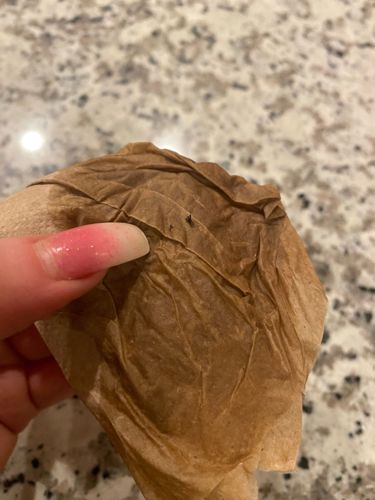
Fruit fly
Drosophila melanogaster (Common fruit fly)
- Order & Family
- Order: Diptera; Family: Drosophilidae
- Size
- 3 to 4 mm in length (about 1/8 inch)
Natural Habitat
Commonly found in homes, restaurants, grocery stores, and other locations where there is ripened or fermented fruit and vegetables, or damp organic matter.
Diet & Feeding
Mainly adult and larval stages feed on yeasts and fungi that grow on decaying or overripe organic materials like fruit, vegetables, and sugars.
Behavior Patterns
Fruit flies are attracted to the smell of fermentation. They have an extremely rapid life cycle, often going from egg to adult in 8-10 days. They are mostly active during the day and are prolific breeders.
Risks & Benefits
Risks: They are mostly considered a nuisance pest but can potentially contaminate food with bacteria and harmful pathogens from dirty surfaces. Benefits: They are foundational organisms in biological and genetic research.