
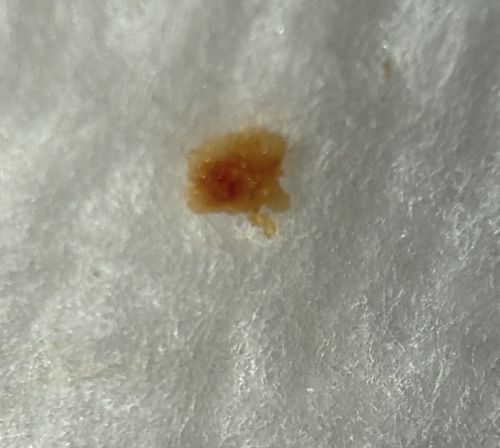
Community identification
Chigger
Trombicula (genus)
- Order & Family
- Order: Trombidiformes; Family: Trombiculidae
- Size
- 0.15 to 0.3 mm (larval stage)
Natural Habitat
Low-lying, damp areas with thick vegetation such as forests, grassy fields, and gardens.
Diet & Feeding
Larvae feed on skin cells and digestive enzymes from a host's skin; adults feed on insect eggs and small arthropods in soil.
Behavior Patterns
Larvae are parasitic and search for hosts to latch onto. They do not burrow but pierce the skin and inject enzymes that liquefy skin cells for consumption. They typically fall off after a few days.
Risks & Benefits
Risks include intense itching, hives, and skin rashes (trombiculosis). In some regions, they can transmit scrub typhus. They offer little direct benefit to humans but serve as part of the soil micro-ecosystem as adults.