
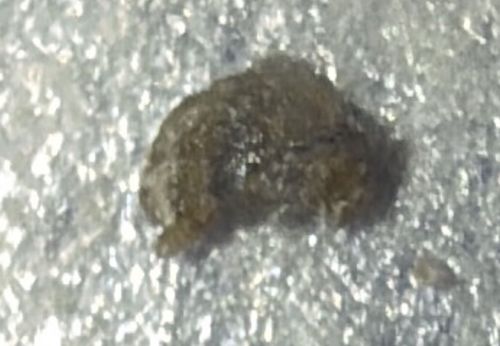
Casemaking Clothes Moth Larva
Tinea pellionella
- Order & Family
- Lepidoptera (Order), Tineidae (Family)
- Size
- Larvae are roughly 1/4 to 1/2 inch (6-12 mm) long.
Natural Habitat
Typically found indoors in dark, quiet areas like closets, attics, and underneath furniture. They prefer locations containing keratin-based materials like wool, fur, carpet, and feathers.
Diet & Feeding
The larvae feed on keratin-rich natural fibers including wool, fur, silk, felt, feathers, and occasionally stored food products like grains. They may also eat synthetic fibers if they are soiled with sweat or food.
Behavior Patterns
Unlike other clothes moths, the casemaking larva carries a silky, portable tube case with it that it spins and camouflages with bits of the material it is eating. It feeds from one or both ends of this case and eventually pupates inside it.
Risks & Benefits
Risks: They are significant household pests that can cause extensive damage to clothing, rugs, upholstery, and tapestries. Benefits: In nature, they act as important scavengers/decomposers that break down dead animal matter (like carcasses and discarded feathers).