
Community identification
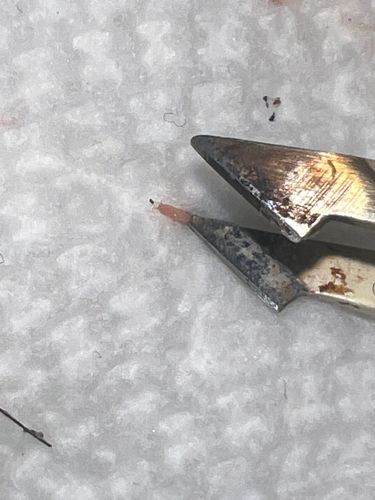
Gall midge larva
Family Cecidomyiidae
- Order & Family
- Order Diptera, Family Cecidomyiidae
- Size
- 1 mm to 3 mm in length
Natural Habitat
Typically found inside plant tissues such as leaves, stems, or buds where they induce the formation of galls; some species live in soil or decaying organic matter.
Diet & Feeding
Most are herbivores that feed on plant fluids within galls; some species are predatory, feeding on aphids or mites, while others consume fungi.
Behavior Patterns
Larvae are often bright orange, pink, or red. They undergo several molts within a plant host before pupating, often dropping to the soil to complete their transformation into tiny, delicate flies.
Risks & Benefits
Many species are considered agricultural pests because they damage crops and ornamental plants. However, predatory species are beneficial as biological control agents against mites and aphids.